Listen to Matthew Chancey, CFP®, CEO of Tax Alpha Companies and Forbes-published author of Tax Alpha Solutions, explain how Roth conversions can be used strategically to reduce lifetime tax exposure.

Strategic Tax Planning for High-Income Households

Roth conversions are often discussed as a simple tax move. In reality, they are a multi-year planning decision with long-term consequences for cash flow, estate planning, Medicare costs, and overall tax exposure.

At Tax Alpha, Enhanced Roth Conversion strategies focus on timing, structure, and coordination so conversions align with your broader tax and financial picture.


2023-planning-1024x512

What Is an Enhanced Roth Conversion?

A Roth conversion involves moving assets from a traditional IRA or other pre-tax retirement account into a Roth IRA, paying taxes now in exchange for tax-free growth later. An enhanced Roth conversion goes further.

It evaluates how conversions interact with:

  • Current and projected tax brackets
  • Required Minimum Distributions
  • Medicare premium thresholds
  • Estate and legacy goals
Other income events or liquidity windows
d14f53fe-7356-46da-810f-b9de28e235c5
pexels-n-voitkevich-8927687

Why Standard Roth Conversions Fall Short

Many conversions are executed in isolation, often triggered by market dips or general tax advice. This approach can create avoidable issues.

Common problems include:

  • Converting too much in a single year and pushing income into higher brackets
  • Ignoring Medicare IRMAA surcharges
  • Overlooking future Required Minimum Distribution exposure
  • Failing to coordinate with other tax events such as business exits or asset sales.
Once a conversion is completed, it cannot be undone. Structure matters.
If your income or asset profile is simple, a standard approach may be sufficient. We help determine that early.
What-is-Financial-Management.jpg.optimal

What Enhanced Roth Conversions Are Not

To maintain clarity and compliance, it is important to be explicit.

Enhanced Roth Conversions are not:

  • Investment recommendations
  • Guarantees of tax savings
  • One-time transactions without follow-up
  • Replacements for individualized tax filing advice

They are planning tools, not shortcuts.

Missed timing often matters more than missed opportunity.

How This Fits Within Tax Alpha’s Broader Tax Planning

Enhanced Roth Conversions are one component of a broader tax planning framework.

For some clients, they are paired with:


  • Charitable strategies
  • Business transition planning
  • Capital gains management
  • Long-term estate considerations

The conversion itself is never the starting point. The tax picture is.

shutterstock_2003674967

Start With Clarity, Not Assumptions

Before any conversion is recommended, we focus on understanding:

  • Your current tax exposure
  • Your future income expectations
  • Your planning horizon and priorities

From there, we determine whether an enhanced Roth strategy makes sense and how it should be structured.

Be Aware of Your Tax Brackets

The power of the discounting Roth conversion strategy shows when you get as many dollars as possible into the 24% bracket, which is just under the biggest jump in the tax code to the 32% bracket. In 2024, couples filing jointly who make up to $364,000 fit into the 24% tax bracket. The 32% bracket includes married couples filing jointly with an income between $364,001 and $462,500. If possible, you might spread the conversions out over several years to manage your tax brackets.

Screenshot 2026-02-02 193000

Recognize the Discounts Available

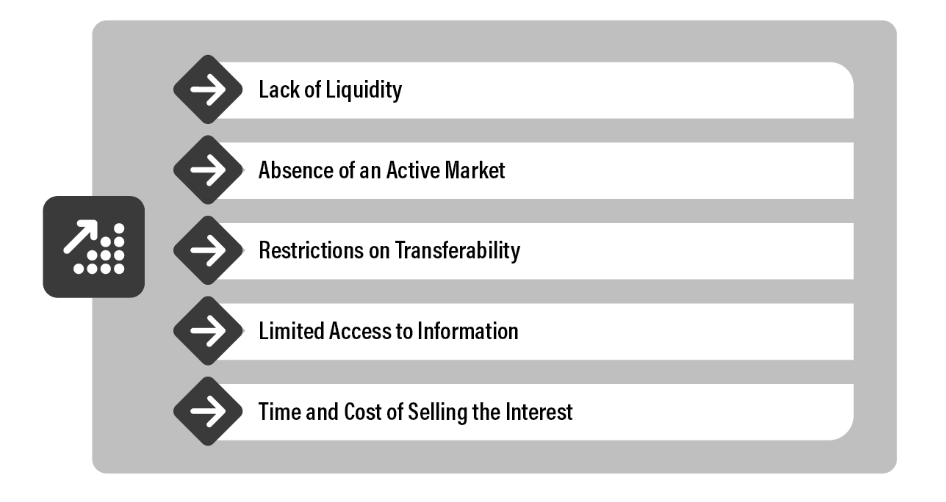
You can look into private partnerships, which may provide discounts when doing a Roth conversion. There are other valuation discounts that could be applied to investments, including lack of marketability, minority interest, and lack of control. Working with a tax professional can help you learn of your options and plan for the conversions.

Once you know the impact of a discounted Roth conversion, you could shift investments into accounts that you won’t have to withdraw from until later in retirement, or you could even pass them on to your heirs. If your financial advisor hasn’t brought this topic up during your tax planning meetings, don’t you think it’s time to look for another professional opinion?